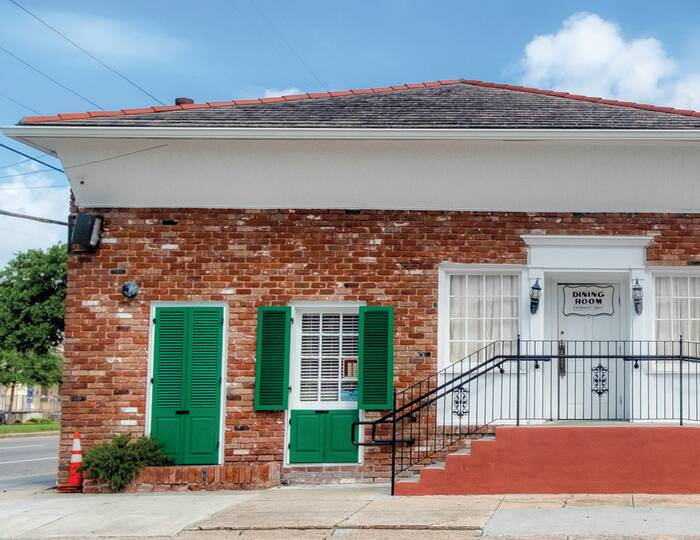
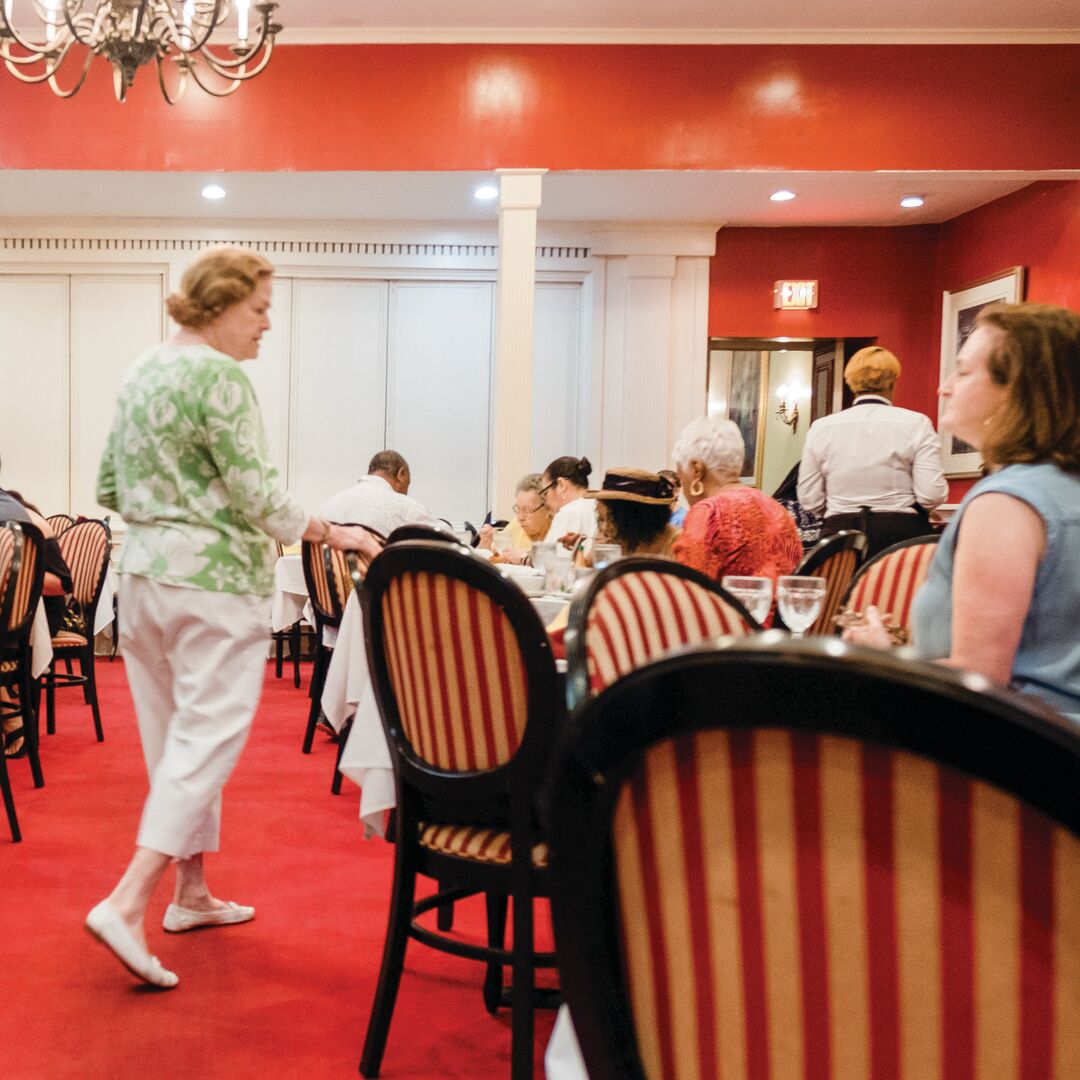
If the red painted walls of New Orleans’ Dooky Chase’s Restaurant could talk, they’d have a captivating story to tell. Sit for a spell, and you’d learn about the restaurant’s profound role during the Civil Rights Movement, when it fed leaders and activists like Thurgood Marshall and later, Dr. Martin Luther King, Jr. and the Freedom Riders.
Or you’d hear about how it hosted integrated white tablecloth meals before integration was legal. You might also find out what it was like to survive Hurricane Katrina, and if you ask, hear a long list of the notable people who once dined within the green shuttered brick building. But the story could never be told without mention of the woman who was behind it all.

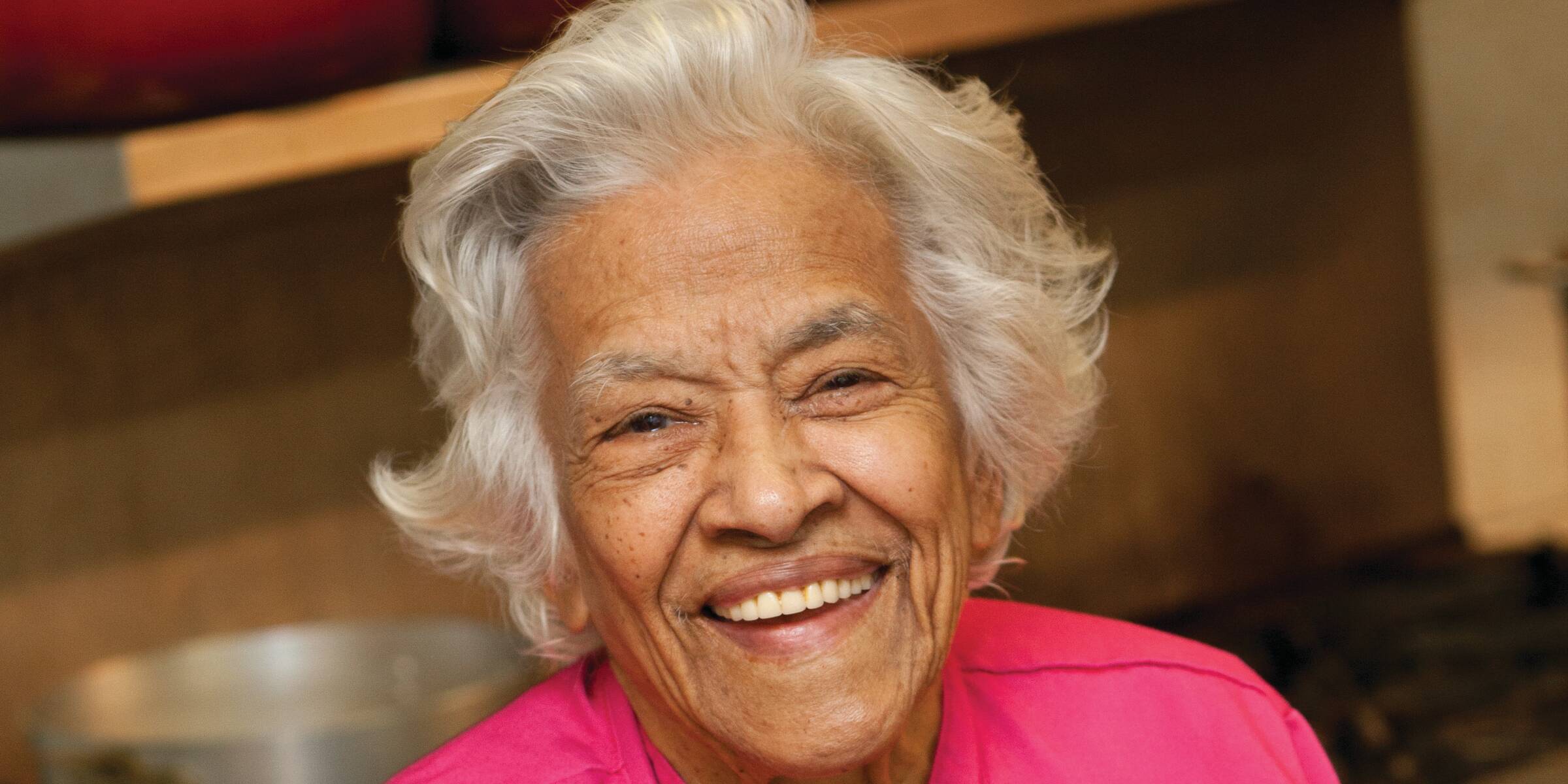
Leah Chase was born January 6, 1923, in New Orleans and raised in a small town just across Lake Pontchartrain called Madisonville. She was one of 11 children born to devout Creole Catholic parents. Her father was a ship caulker at the Jahncke Shipyard and her mother a homemaker and seamstress.
She often spoke of her childhood, especially recalling the expansive gardens where they grew things like okra, peas, and greens and the communal meals they shared. During the Great Depression that struck when Leah was just six years old, it was the garden plot that the family survived on. It was hard work, but she cherished her childhood in this country town. She learned where her food came from and how it was grown while traversing through the woods picking strawberries or cultivating the family gardens. It was experiences like this that undoubtedly impacted her future.
A segregated town, Madisonville didn’t have a Catholic school for black children, and her father was adamant about her religion-centered schooling. She was sent to New Orleans to live with an aunt and attend a Roman Catholic school. She graduated at 16 and went back to Madisonville and worked in a boarding house washing clothes, cleaning, and doing some cooking. But from a young age, on the wide-open land of this small Louisiana town, Leah dreamed of more.
“I always looked for bigger things, and my mother used to always fuss at me. She said, ‘Your high mind is going to get you in trouble someday,’” Leah said in a 2014 interview with the Southern Foodways Alliance.
It was clear that Leah’s mother saw that vigor in her daughter’s eye. But what she predicted as trouble was actually fearlessness.
At 18 years old, Leah moved back to New Orleans and held a number of jobs. At one point, Leah, a beautiful young woman with a broad smile and larger-than-life personality, was the manager of two amateur boxers. Another time she worked for a local bookie. But for Leah, no job was greater than those in restaurants.
She got a job as a waitress at the since-closed Colonial Restaurant and then the Coffee Pot (today renamed Café Beignet at the Old Coffee Pot), both in the French Quarter. She started working for $1 a day, serving notables ranging from Tennessee Williams to Doris Duke. And while she did little cooking herself, she learned the ins and outs of running a restaurant. During this time, Leah also began to realize the discrepancies between white and black restaurants.
She met her future husband, Edgar Lawrence “Dooky” Chase Jr., a passionate jazz musician, at a Mardi Gras Ball at Labor Union Hall. The two hit it off and were married the very next year in 1946. Dooky Jr.’s family owned a corner store in New Orleans’ Tremé neighborhood, where they sold po-boys and lottery tickets. But in this corner shop, her childhood vigor of dreaming for something bigger kicked in.
At that time in the segregated Crescent City, blacks had few options for dining out. “The black community had no restaurants,” she told the James Beard Foundation in 2016. “We only had fried chicken, fried fish, and that kind of thing.”
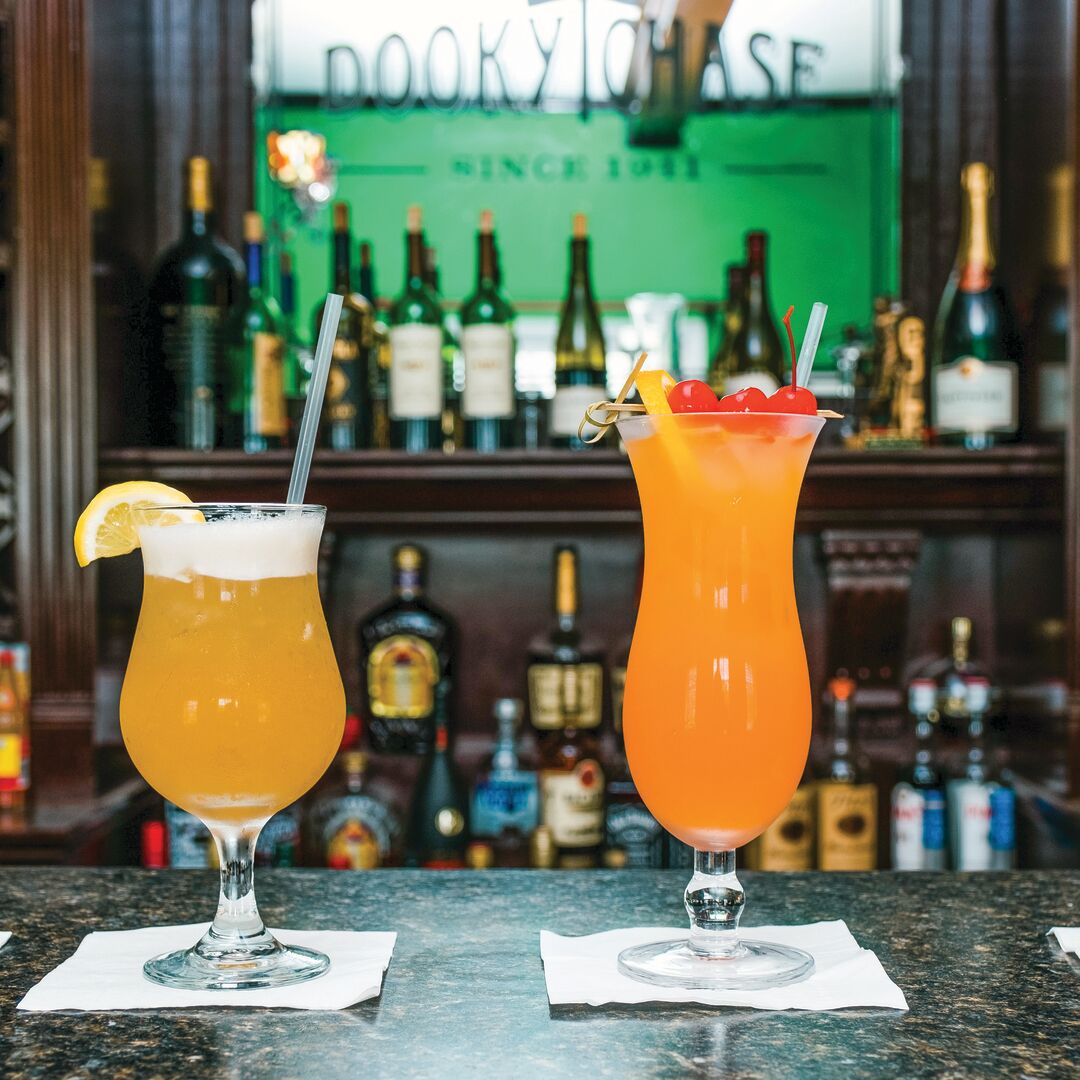
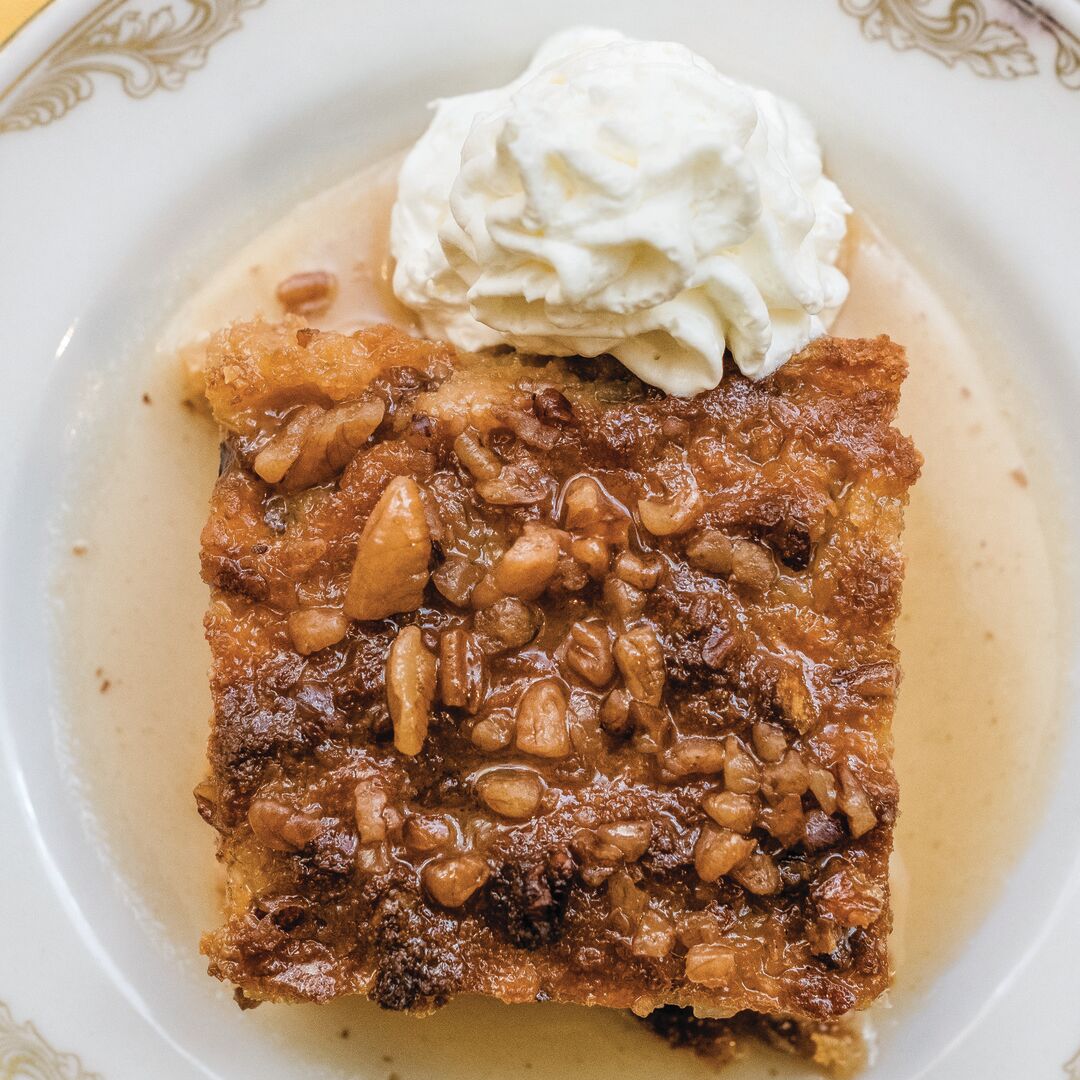
Leah transformed Dooky Chase’s into an eatery all its own. She clad tables with white cloths, hung art on the walls, and reconfigured the menu to offer Creole classics like gumbo and Shrimp Clemenceau. For the first time, the black population had somewhere to eat that rivaled French Quarter restaurants in which they weren’t allowed. But it wasn’t just black people who filled Dooky Chase’s.
At the hands of Leah, Dooky Chase’s became one of the first integrated restaurants in all of the deeply segregated South. Though it was illegal, locals would have been indignant if officials had shut it down. While the food was what attracted her devoted patrons, civil rights leaders began to look to Dooky Chase’s as a safe haven where blacks and whites could meet and discuss the political happenings during the 1950s.
The private meeting room upstairs saw Civil Rights leaders and members of the NAACP gather over tables of fried chicken and gumbo to discuss things like the Baton Rouge Bus Boycott, the Freedom Riders’ next plan of action, and it even hosted the attorneys who ended public school segregation with Brown v. Board of Education.
“I always looked for bigger things, and my mother used to always fuss at me. She said, ‘Your high mind [will] get you in trouble someday.’”
—Leah Chase
“This was the only place black people had to meet besides the churches,” she told the Southern Foodways Alliance. “I would feed them, and they would go out and do whatever they had to do. People my age thought they were as crazy as bats.”
With Leah’s fearlessness, she was a force to be reckoned with, but not in the attention-seeking way. For Leah, it wasn’t just about the food she was serving, though consistently delicious. Owning a restaurant and cooking food was about feeding people. She was behind the scenes, doing her part and offering her contribution to fight for justice. But if you asked someone who dined at Dooky Chase’s back then, they ’d tell you that Leah’s contribution was crucial.
Even after the Civil Rights Movement had ended, her yearn to create a space for black expression continued. Leah filled Dooky Chase’s walls with the works of African American artists and continued to host a number of famous both black and white patrons throughout the years such as pop stars, musicians, actors, and even United States presidents. In 2008, former president Barack Obama visited, and Leah famously scolded him for trying to add hot sauce before tasting her gumbo.
Her diligence earned her many accolades throughout the years from winning a Lifetime Achievement Award from the Southern Foodways Alliance to being inducted into the James Beard Foundation’s Who’s Who of Food & Beverage in America in 2010 to earning honorary degrees from six colleges and universities, among many other honors. In 2009, Disney produced “The Princess and the Frog,” in which the main character—a hardworking African American girl named Tiana who dreams of owning a New Orleans restaurant—was based on Leah.
On June 1, 2019, the world lost a culinary hero. Until her death at 96 years old, Leah Chase remained the hardworking, warm-hearted woman that everyone had come to know and love. Today, Dooky Chase’s continues to honor her tireless dedication.