Organizations
Discover the groups making a difference in their communities and beyond.
10. APPALACHIAN BEEKEEPING COLLECTIVE
 Hinton, West Virginia
abchoney.org
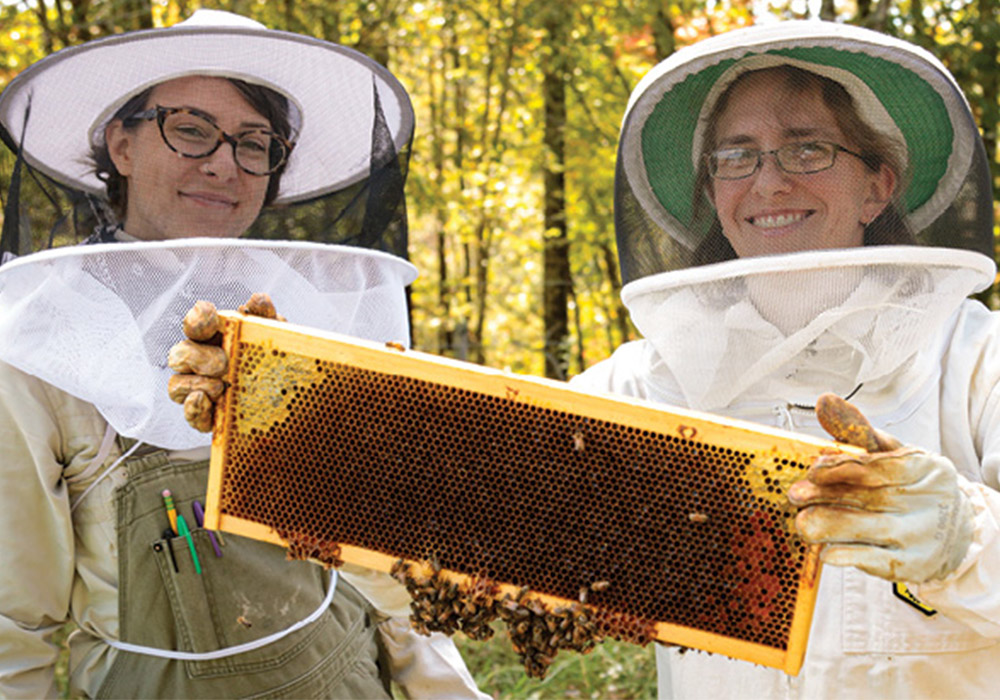
For the last seven years, the Appalachian Beekeeping Collective has been educating and empowering small-scale beekeepers in economically depressed counties in southern West Virginia. At the educational center in Hinton, the collective trains prospective beekeepers on the ins and outs of environmentally responsible beekeeping. “There’s a long tradition of beekeeping in West Virginia,” says Director of Programs and Outreach Kate Asquith. “But we weren’t seeing as many people keeping bees because it’s become more expensive, and there are more invasive pests and diseases.” Unlike larger operations that will pack dozens of hives into small spaces, the collective directs their partners on how to space hives and how to keep them healthy without the use of pesticides, chemical treatments, or antibiotics. There is no cost for partners to join, as all the equipment, training, and bees are provided at the end of their five-week Beekeeping 101 course. The collective then bottles the honey at a central location outside nearby Lewisburg for distribution. The Appalachian Beekeeping Collective is a part of the larger Appalachian Headwaters, a nonprofit dedicated to environmental education and ecological restoration. Their award-winning honeys can be found at a select few retailers and on their website.
11. POTLUCK FOOD RESCUE
 Little Rock, Arkansas
potluckfoodrescue.org
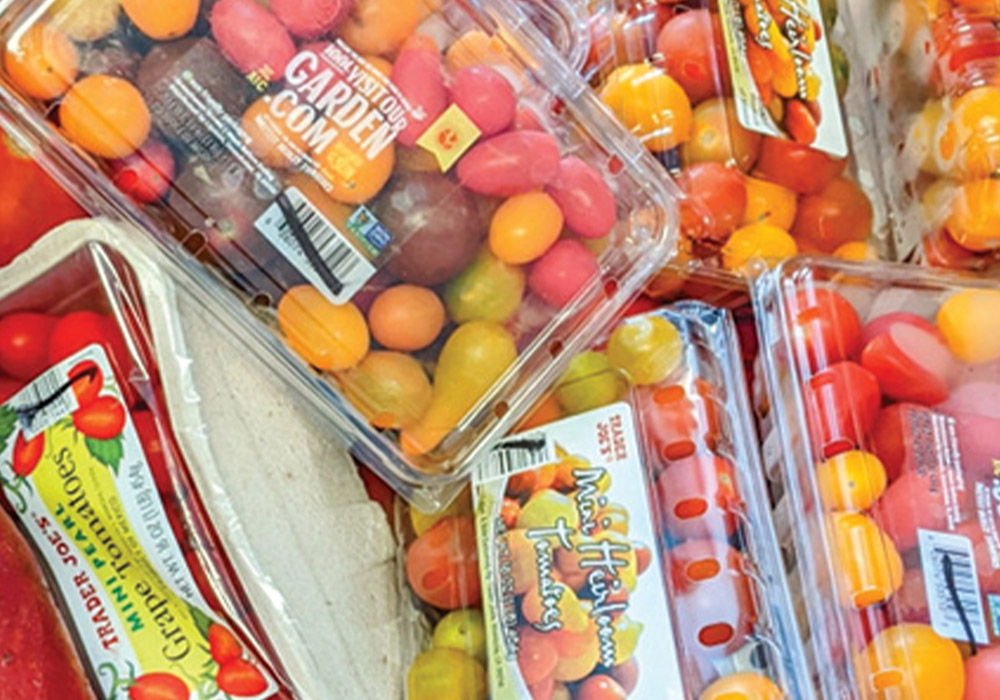
The story of this food redirection nonprofit began in 1989, when Florence Haut witnessed the unfortunately common act of restaurant employees throwing away perfectly edible, unsold fried chicken. She stopped them and asked if she could give the chicken to people in need, and they let her. With that simple act, she started gathering volunteers from local organizations, including the Little Rock Junior League and area religious organizations, to locate unused food and make good use of it. In the 34 years that have passed, the organization has redistributed millions of pounds of good, healthy food to a network that includes dozens of community food programs in Little Rock and North Little Rock. In the last seven years alone, the organization has seen a boom, with collections rising from 160,000 pounds annually to now over 500,000. The next phase for Potluck Food Rescue is, as Executive Director Sylvia Blain puts it, closing the circle with a municipal composting service. “We need to start thinking about the life cycle of food. It’s not just farm to table, but farm all the way back to farm,” Sylvia says. With estimates on American food waste ranging from 30 to 40 percent of all food produced, food rescue organizations like this one are a way to shift our food culture to being not only more compassionate but more environmentally sustainable. To find out about food rescue programs near you, visit foodrescue.us.
12. TALL GRASS FOOD BOX
 Raleigh-Durham area, North Carolina
tallgrassnc.com
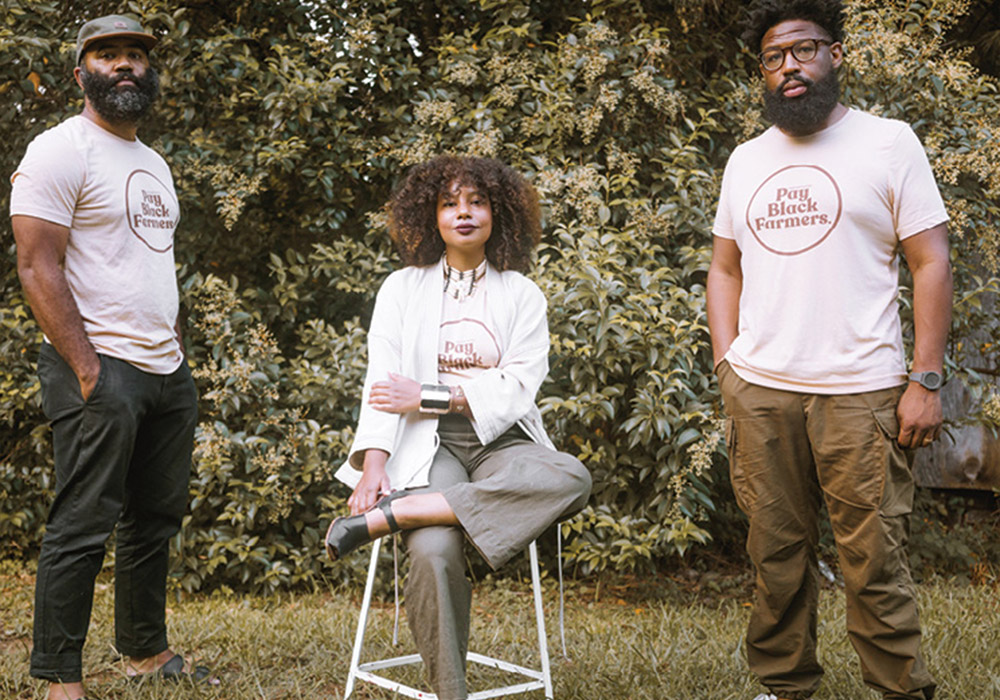
When the COVID-19 pandemic struck in 2020, we were all affected in different ways, and some groups—Black farmers among them—were hit particularly hard. From where they were in the Raleigh-Durham area, Tall Grass Food Box cofounders Gabrielle Etienne, Derrick Beasley, and Gerald Harris wanted to help promote Black farmers in North Carolina and to help expose those farmers to a larger customer base. They created the food box to help accomplish that mission and began to provide curated biweekly boxes of produce and products from a handful of nearby Black-owned farms. The program has grown to producing about 200 boxes each cycle and call on nine farms for their products. They’ve partnered with Bull City Ciderworks in Durham to help with box packaging and restaurants including Chapel Hill’s Lantern. “While we started as a response to COVID, we understand that the need to support Black food systems, Black food sovereignty, Black farmers, and communities is ever-present and ongoing,” says Marketing Director Alexis McKenney. “The commitment to developing solid infrastructure and providing good food choices for communities from Black farmers is something that will always be part of our mission and deeply important to us.”